Ever noticed how you feel tired, anxious, or even empty after just 10 minutes of scrolling? You picked up your phone to relax—but somehow, you ended up more stressed. That’s not just a feeling. That’s science.
Welcome to the world of scroll anxiety, where your brain is being tricked, overfed, and overstimulated—one swipe at a time.
1. The Brain on Social Media
Every time you get a like, view, or comment, your brain releases Dopamine, the chemical responsible for pleasure and reward. It’s the same chemical triggered by chocolate, winning a prize—or even drugs.
But here’s the catch: dopamine doesn’t make you feel happy. It makes you want more. So what do you do? You keep scrolling, hoping the next post or video gives you another “hit.”
Your brain wasn’t made for this kind of non-stop stimulation. So over time, the reward system gets overloaded—leading to mental fatigue, anxiety, and burnout.
2. Designed to Keep You Hooked, Not Happy
Social media apps are designed using behavioral psychology, and they know exactly how to grab your attention.
- Infinite scroll: No stopping point. No “off” switch.
- Variable rewards: Sometimes you see a viral video. Sometimes nothing. That unpredictability keeps you hooked—just like a slot machine.
- Bright colors and pings: These activate alert systems in your brain, keeping you in a semi-stressed state.
These features aren’t random—they’re built to hijack your attention and make you stay longer than you meant to.
3. Stress Signals You’ve Been Ignoring
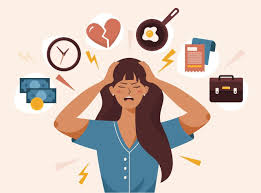
All of this digital stimulation might not cause instant panic, but it slowly builds up micro-stress in your brain and body. You may notice:
- Racing thoughts or restlessness after scrolling
- Trouble focusing on real tasks
- Feeling bad when comparing your life to others’ highlight reels
- Poor sleep due to late-night scrolling
You might not realize it, but your nervous system is always “on,” trying to process an overload of information, faces, emotions, and noise.
🧘♀️ 4. How to Outsmart the Scroll
Here’s the good news: you’re not powerless. You can take back control with a few simple changes:
- Use grayscale mode on your phone to reduce visual stimulation.
- Turn off auto-scroll features in apps or use browser extensions that add breaks.
- Set a timer: Try 10-minute scroll sessions with a clear ending point.
- Remove toxic triggers: Unfollow accounts that make you feel bad about yourself.
- Create a “digital pause” ritual before bed—read, journal, or meditate.
💬 Final Thoughts
Your phone isn’t evil—but it’s designed to take as much of your time and energy as possible. Understanding how your brain works—and how social media uses it—helps you regain control.
So the next time you feel wired but tired after scrolling, pause and ask yourself:
Was I really relaxing—or just running on digital autopilot?

.
“Your Worth ≠ Likes”
Why You Feel Less — After Scrolling More”